

One film has quietly changed the conversation in Bollywood. In the aftermath of Aditya Dhar’s Dhurandhar, the idea of scale is being rethought, not just in terms of budgets or ambition—which happens usually after a huge blockbuster—but in how big films are released. Across studios and production offices, there is growing talk of splitting mega-budget projects into two parts, a strategy that until recently was seen as risky, even indulgent.
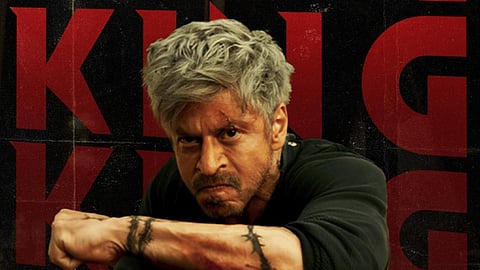
That conversation spilled into the trade on Friday after reports suggested that another marquee title could adopt a two-part structure. The buzz intensified through the day, with industry sources indicating that Shah Rukh Khan’s King is among the films being discussed as a potential candidate to follow the Dhurandhar model.
Directed by Siddharth Anand and headlined by Khan, with Deepika Padukone and a formidable ensemble in tow, King is among the most anticipated Hindi films currently in production. And now, according to multiple trade sources, the film is being discussed as a two-part release, in sync with the larger shift in how the industry is approaching mega-scale storytelling in a post-Dhurandhar landscape.
“Apart from its box office domination, Dhurandhar has emerged as the industry’s new reference point because of how the film was powered through,” says an executive working with a top Bollywood banner, currently also mounting an action film. The production executive shared that Dhurandhar makers deliberately softening the financial risk by designing it as a two-part release was a bold move that paid off.
“It was shot as one expansive film and later divided into two parts. The strategy gave the project room to breathe, earn twice and recover in phases. That model is now being quietly examined across the industry, particularly for mega-budget films," the executive adds.
"Lots of films are thinking about this model now,” says a trade source. “We’re in a post-Dhurandhar world so everyone is trying to see what works for them. But there will also be casualties. Not every big film can afford to misjudge this call.”
At the time of its release, Dhurandhar looked anything but safe. A three-and-a-half-hour runtime, a dense, serious tone, and a structure that asked audiences to commit to a story without immediate closure made it an easy target for scepticism. Instead, the film bulldozed expectations, emerged as the only title of the year to cross ₹1000 crore globally.
In that context, King finds itself at an intriguing crossroads. The trade source explains, “Siddharth Anand’s brand of cinema has typically leaned towards sleek, fast-paced spectacle, but this film is understood to be mounted on a far broader canvas. With Shah Rukh Khan returning to full-throttle action after a career-defining resurgence, expectations are towering. The pressure to deliver something that feels both event-sized and enduring is definitely there.”
Timing, too, is part of the conversation. December’s first week has quietly become Bollywood’s most valuable launch window. Ranbir Kapoor-Sandeep Reddy Vanga’s Animal cracked it open, Allu Arjun-led Pushpa 2 reinforced its muscle, and Dhurandhar cemented it as prime real estate for ambitious, adult-minded tentpoles. Studio calendars are already viewing it as a lucrative release window as it gives a film enough legs to perform, reaping in the holiday benefits later.
The ripple effects are being felt even in franchises built on a very different grammar. The YRF Spy Universe, for instance, is also facing growing scrutiny online over its future direction. Where Dhurandhar leaned into narrative seriousness, the spy films have thrived on glossy, fast-and-furious spectacle. The industry is now watching closely to see whether audience appetite is beginning to tilt towards scale with substance.