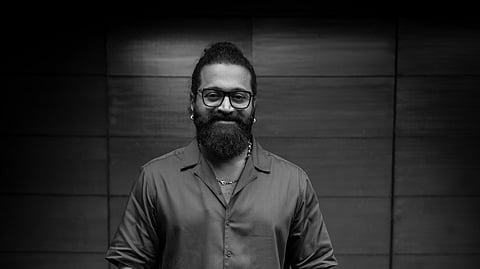


When Kantara (2022) released, audiences celebrated its raw energy and spiritual depth — but with acclaim came criticism. Director and actor Rishab Shetty doesn’t sidestep those conversations; rather, he embraces them. On the criticism that female characters weren’t written with enough depth, Shetty responds, “That film is not about anybody other than Shiva. He’s not a hero — he’s a villain. His behaviour is bad, his language is not good, he abuses everyone. The story was about his journey, his flaws.”
Defending the presence of Shiva’s mother, he adds, “She was such a strong character. I don’t understand how people thought she was weak. Outside, Shiva could do anything. But if he heard his mother’s voice, he would run. That is power. At the same time, when he goes to jail, she cries like anything. That balance — strength and vulnerability — was important.”
Asked if he applied this criticism when shaping Rukmini Vasanth's character of Kanakavathi in his next film Kantara: Chapter 1, Rishab is clear: “No. It’s a completely different setup. The story has to be organic. If we change characters just because someone said something, the story will be ruined. We don’t need to think about it that way.”
The second debate — that Kantara aligned Bhoota Kola traditions with mainstream religion — is even more personal for him. “I have so much emotion, so much devotion. I worship Daiva. Before every schedule, I have taken blessings. Some say one thing, some say another, but nobody can spoil that tradition. Daiva is above everything. Daiva is there to protect us; we don’t need to protect Daiva.”
He recalls watching Kola rituals and researching extensively: “I have seen thousands of videos on YouTube, I have personally gone and attended two Daiva Kolas. What to show, what not to show — I was very careful. Still, some people misunderstood. Britishers once called it devil worship. But this is our lifestyle, our tradition. Through cinema, I wanted to show the world our truth.”
For Rishab, criticism is not confrontation but dialogue. “I feel happy when someone points out something. I get something to learn. But finally, I have to stay honest to the story," he says.
Watch out for our full interview with the actor-director, dropping soon on The Hollywood Reporter India's YouTube channel.