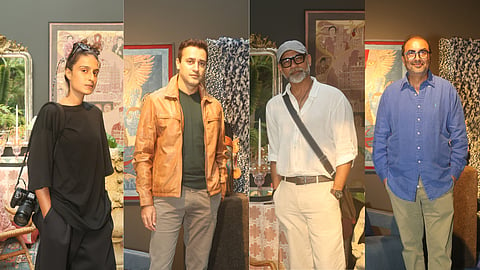


The third weekend of the Monsoon Film Festival celebrated landmark films, cinematic restoration and documentary storytelling through a series of conversations and workshops that brought together filmmakers, actors and artists across disciplines.
Friday evening opened with a conversation featuring director Abhinay Deo and actor Imran Khan, marking 15 years of Delhi Belly, a film that remains one of the most unconventional success stories in Indian cinema. At the time of its release, the film broke almost every rule in the book; it carried an A certificate, featured no conventional superstar in the lead, and embraced a brand of irreverent toilet humour that mainstream Indian cinema had rarely seen before. Yet beneath its audacity was a story about friendship, ambition and the strange ways in which a city brings people together.
The conversation revisited the making of the film, with Khan reflecting on some of his favourite scenes, memorable moments from the shoot and the film's enduring popularity. Deo shared stories from the casting process, spoke about unexpectedly stepping into the role of action director during production and revealed that while Aditya Roy Kapur had auditioned for the role of Nitin, it was his brother, Kunal Roy Kapur — who had simply accompanied him — that ultimately landed the part.
The session was followed by a screening of Delhi Belly, which Khan attended alongside an audience of devoted fans. The evening was marked by nostalgia, with one fan arriving carrying original first-day ticket stubs from every Imran Khan film they had watched in theatres.
On Saturday, filmmaker and archivist Shivendra Singh Dungarpur led an insightful masterclass on film restoration, taking audiences behind the painstaking process of preserving India's cinematic heritage. Through photographs of deteriorating original film reels and demonstrations of restoration work, Dungarpur showed how some of the country's most iconic films are rescued from the brink of disappearance.
Sharing clips from restored classics including Sholay, as well as upcoming restorations of Pakeezah and Manthan, he walked audiences through both the physically demanding process of handling ageing film reels and the complex digitisation work that follows. He emphasised that restoration is as much about historical research as it is about technology, explaining how his team works closely with filmmakers and collaborators involved in the original productions to ensure the restored versions remain as faithful as possible to the films as they were first released. The session concluded with a screening of the restored Manthan.
Sunday began with a workshop by Mumbai-based filmmaker and photographer Avani Rai, whose work explores memory, political silence and inherited histories through an intimate, observational lens. Rai discussed her multidisciplinary practice, reflecting on the intersections of photography, documentary filmmaking and personal storytelling. She also spoke about her acclaimed debut documentary, Raghu Rai: An Unframed Portrait, and the ways in which documenting her father, celebrated photographer Raghu Rai, became an exploration of family, legacy and artistic inheritance.
The weekend concluded with an online conversation featuring Oscar-nominated filmmaker Shaunak Sen, who joined via Zoom. Sen reflected on his body of work, including All That Breathes, before offering audiences a glimpse into his upcoming documentary, centred on a surgeon working in a large hospital. He revealed that the project emerged from his own experience of being diagnosed with cancer and navigating recovery, and spoke about how the experience reshaped the questions he wanted his filmmaking to pursue. The conversation was followed by a screening of All That Breathes, bringing the festival's third weekend to a thoughtful and moving close.