

Recently, OpenAI's image generation technology has sparked a viral trend where users are sharing their AI-generated images, transformed into the iconic style of Studio Ghibli, the renowned Japanese animation studio. This surge of Studio Ghibli-inspired art comes after the release of GPT-4o, OpenAI's most advanced multimodal AI model, which can produce photorealistic outputs with incredible accuracy.
In addition to its other capabilities, the AI has shown a particular talent for mimicking the distinct anime style associated with Ghibli films like Spirited Away and My Neighbor Totoro.
Sam Altman, CEO of OpenAI, weighed in on the phenomenon with a post on social media, reflecting on the shift from his early work in AI for grand, world-changing purposes, like curing diseases, to waking up to a flood of messages showing people turning him into a "twink Ghibli style." This comment, paired with a Ghibli-inspired profile picture, added a lighthearted touch to the conversation surrounding AI-generated art, though the trend has sparked broader debates.
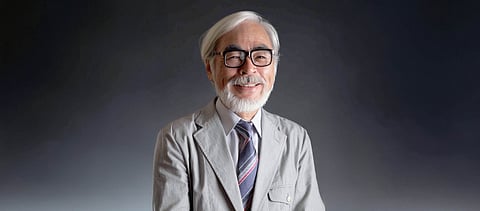
Studio Ghibli, known for its intricate artistry and emotional depth, has not yet publicly addressed the phenomenon. However, Hayao Miyazaki, co-founder of Studio Ghibli, has been vocal about his disapproval of AI in animation. In a 2016 meeting, Miyazaki expressed his distaste for AI-generated animation, calling it "an insult to life itself."
“I am utterly disgusted. If you really want to make creepy stuff you can go ahead and do it. I would never wish to incorporate this technology into my work at all," he said.
While some view the flood of AI-generated Ghibli-style images as an exciting and innovative leap in creative technology, others see it as a troubling trend. This debate also ties into the broader issue of intellectual property rights, with creators expressing concerns over the use of copyrighted material to train AI systems. More than 400 filmmakers, actors, and artists have raised objections to how companies like OpenAI and Google are using publicly available data to train their models, with some fearing that it could undermine their creative work.
As AI continues to evolve, the question remains: can technology enhance creativity, or does it risk diluting the very essence of art itself?