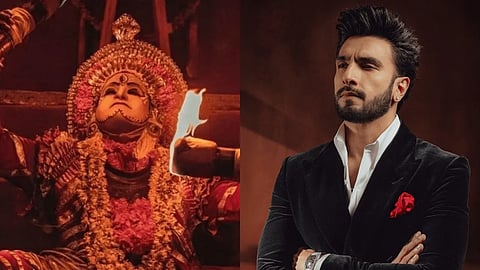


The Karnataka High Court on Tuesday criticised actor Ranveer Singh for what it termed “reckless” remarks about a sacred daiva tradition portrayed in the Kannada film Kantara Chapter 1, while directing Bengaluru police not to take coercive action against him for now.
Passing an interim order, Justice M. Nagaprasanna said the actor must cooperate with the ongoing investigation into a first information report (FIR) alleging that his comments hurt religious sentiments. The court was hearing Singh’s petition challenging the FIR registered by the High Grounds police station in Bengaluru.
The magistrate had ordered the FIR following a private complaint filed by city-based advocate Prashanth Methal.
During the hearing, the bench orally observed that Singh should have exercised caution. “You were speaking about a deity. If you do not know you should study and speak… You can’t call the deity a female ghost. You have no right to hurt anybody’s religious sentiments,” the court said, noting the actor’s public influence.
When Singh’s counsel argued that the actor had already apologised, the court responded that an apology would not erase the impact of the remarks, adding that material shared online tends to persist.
Senior advocate Sajan Poovayya, appearing for Singh, submitted that the comments may have been reckless but were not intended to offend religious sentiments and therefore should not attract criminal prosecution. He told the court the actor would cooperate fully with the investigation.
The controversy stems from Singh’s appearance at the closing ceremony of the International Film Festival of Goa on 28 November 2025, where he mimicked Rishab Shetty’s performance from the Kantara franchise and referred to the revered coastal Karnataka daiva Chavundi as a “female ghost.”
Following online backlash, Singh issued an apology on Instagram on 1 December 2025, stating he had intended to praise Shetty’s performance and had no intention of hurting religious sentiments.