

Before commercial streaming platforms started in India, the “web show” was a relatively new concept: TV but for the social media generation. That was more or less the genre, too. Early movers like The Viral Fever (TVF) and Dice Media partnered with brands and streamed their modestly funded but distinctly relatable and slice-of-life themes — a live-in couple (Little Things); a gang of friends launching a start-up (Pitchers); a mockumentary on a struggling actor (Not Fit); a stand-up comic’s adventures (Humorously Yours) — on their YouTube channels and content portals. These were the sort of stories that were designed to convince moviegoers that there was life, and fiction, beyond the big screen.
Once it worked, the big-money platforms arrived, an alternative exhibition and production ecosystem began, and everything became a little shinier. There was room for more. The web show slowly became: TV but as an extension of film. The genres that hit the ground running mostly revolved around dramatic and ‘serious’ storytelling. Risks were taken, but high-concept thrillers and crime sagas remained the flavour of every season. It’s been nearly a decade now, and as the space has morphed into a version of the movie industry it once offered respite from, the artistic segregation has stayed the same. In terms of narrative and technical value, it’s still the serious and gravitas-oriented shows that move the needle. But the one genre that the space severely lacks credibility in is long-form nothingness. It goes by many names: ambient television, daft comedy, empty calories, silly-smart entertainment, cosmetic fun, low-stakes fluff.
At their peak, TVF did well to stage their middle-Indian snapshots of nostalgia and mundanity: Flames, Gullak, Yeh Meri Family, Tripling, Cubicles, Hostel Daze, even Panchayat to an extent. But on the big streaming platforms, this genre has somehow mutated into Expensive and Vacant Bollywood Vibes. What many creators and production houses have overlooked is the fact that it takes a considerable amount of skill and conviction to pull off this genre without trivialising the grammar of entertainment. The tone need not be a ‘lesser’ thing in the hands of the right people. The roster over the years, however, has been indulgent at best: Four More Shots Please!, young adult shows such as Mismatched, Jee Karda, Big Girls Don’t Cry, Call Me Bae and more.
Make no mistake, these are widely watched and relatively successful in terms of the OTT business model. But the standards are not high, almost as if many of them just aim to achieve infamy, virality and fill that shapeless void between realistic and coming-of-age stories. Most of them are so algorithm-driven that the pulpiness never emerges; the over-the-top acting, set designs, fashion-forward costumes, loud themes and caricatures become difficult to watch when they aren’t framed by wit and history. In other words, everyone is attempting to replicate an Emily in Paris without understanding the genre.
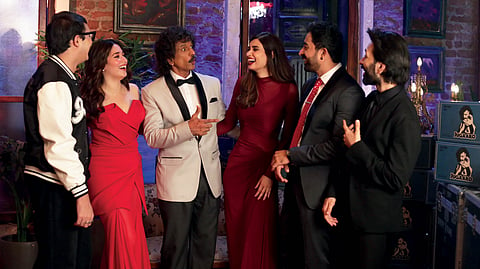
This year alone there have been two examples: The Royals (Netflix) and Do You Wanna Partner (Amazon Prime Video). Both shows have tried to be unapologetically flimsy and cater to Gen Z audiences (not sure how they go hand in hand), but a lot of it feels inadvertent. Both take girl-boss templates — an Airbnb-coded start-up CEO tapping the Rajasthani palace market in The Royals; two Gurgaon beer start-up entrepreneurs in Do You Wanna Partner — and exoticise them in a lowest-hanging-fruit manner. At their core, these are worthwhile and woke one-liners with the potential to go the Made in Heaven way.
But the impetus is so much on the ‘padding’ that everything else becomes secondary, so the whole show becomes padding. None of the performers get the pitch right, looking like misfits in a narrative that misinterprets the personality of a story as the look of an anti-story. Both revolve around specific subcultures and seemingly trendy professions, yet it’s just a hook that gives the makers the license to turn the plot into a ditzy ramp walk. Sure, leave your brains at home, but at what cost?
It’s never as simple as a show being “bad” or “unwatchable” anymore. But taste has become more objective than subjective in these cases. The commerce and thinking behind the aesthetic lead to a dilution of all the creative elements that once defined the colour of Indian cinema. It’s not easy to make fluff enjoyable, but it’s a culturally rooted challenge that — in this mad scramble to ape the West — now lacks the homegrown commitment to excesses. If it’s just about filling space, the focus on make-up and physicality too often deter from the soul of the genre. The unique brand of escapism has somehow failed to translate into the Indian web-series ecosystem. The numbers may tell you otherwise, but their low-tier dispensability brings with it the pressure to reduce all art to that strange term: content. The meaning is two-fold, of course. Being content with nothingness is very different from showing intent with it.
To read more exclusive stories from The Hollywood Reporter India's October 2025 print issue, pick up a copy of the magazine from your nearest book store or newspaper stand.
To buy the digital issue of the magazine, please click here.