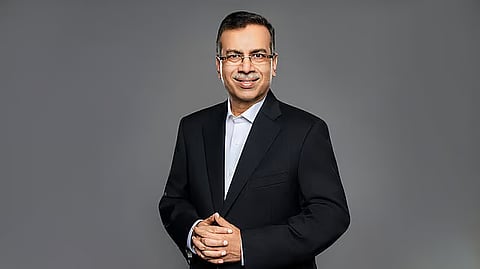


The Delhi High Court has granted interim protection to industrialist Sanjiv Goenka, restraining the unauthorised use of his name, likeness and persona in connection with morphed and AI-generated content circulating online during the ongoing Indian Premier League season.
The order came in response to a plea filed by Goenka, who alleged that a series of viral social media posts had misused his identity through digitally altered images and videos. Appearing for him, senior advocate Sandeep Sethi argued that the content went beyond humour, creating fabricated scenarios and false narratives.
According to submissions before the court, several posts superimposed Goenka’s face onto unrelated individuals, including depictions suggesting violent or inappropriate behaviour. Counsel argued that such content, widely shared in the context of IPL discourse, was derogatory and damaging to reputation.
“This is not mere humour or parody,” Sethi told the court, adding that while public figures may be subject to satire, the material in question distorted reality and had wider implications for businesses and institutions associated with Goenka, including the Lucknow Super Giants franchise.
The bench acknowledged the tension between free expression and reputational harm, observing that public figures cannot seek blanket restrictions on the use of their identity. However, it drew a distinction when digital manipulation—particularly face morphing and AI-generated content—creates misleading or fabricated narratives.
The court’s order effectively restrains the circulation of such material and opens the door for takedowns and further legal action against violations.
The ruling comes amid growing legal scrutiny of deepfakes and synthetic media in India, particularly as AI tools make it easier to generate realistic but misleading content at scale. While meme culture and satire remain protected forms of expression, the court’s observations underline a tightening boundary where humour gives way to harm.